
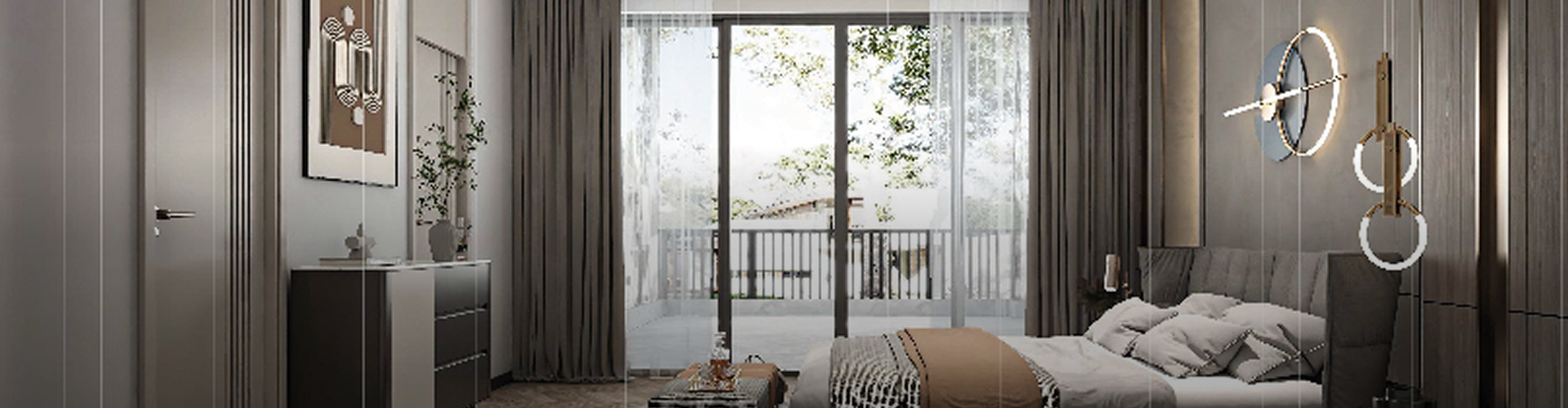

Tips for Creating a Pet-Friendly Custom Home
When you’re a pet lover and have the luxury of building a custom home, you must be sure to consider your pets in the design. A well-planned, pet-friendly home makes day-to-day routines easier and keeps your furry companions safe, happy, and comfortable.
Tips for Creating a Pet-Friendly Custom Home
For your custom home, the following are some of the most important aspects that can successfully accommodate both people and pets.
1. Choose Floors That Can Handle Paws
Pets spend most of their time on the floor, so scratches, dirt, and paw prints are unavoidable. To preserve the house's look, opt for hard and easy-to-maintain surfaces. The best are vinyl planks, ceramic tiles, and sealed hardwoods; they are not easily scuffed, they do not absorb stains, and they can be wiped in a matter of a few seconds.
The matte finishes or textured tiles are better in order to create a more comfortable feel. When you are fond of carpets, you should prefer low-pile or loop-free carpets that do not trap paws and can endure the mess that appears now and then.
2. Smart Storage Keeps the Chaos Contained
When you have pets, in most cases, you have to buy certain items or equipment for them. Leashes, chewies, and grooming supplies, medications, and toys can also clutter your space at a very high rate unless you organize. The best approach in this case is to incorporate smart storage systems into your home design.
There could be cabinets in entranceways or mud rooms, which are custom-made and used for storing essentials. In benches made in the form of a drawer, it would fit well in the built-in drawers or islands of the kitchen, as well as in food bowls or for treats. You may even have slide-out feeding stations that disappear when no one is present.
3. Design Cozy Corners Just for Them
Every animal desires to possess their own niche where they can lean back and feel secure. Creating a special zone with your furry friend will help them relax and organize their belongings.
Dogs prefer to sleep near windows or a corner so that they can see the world move around. Consider an inbuilt bed under the stairs or a recess in the living room. Cats, though, are fond of the viewpoint of elevation and perch on walls or nest in the window.
4. Incorporate Pet Wash and Grooming Areas
A dedicated pet-wash area is one of the smartest additions for a pet-friendly home. Whether it’s a small shower in the laundry room, a handheld sprayer in the utility room, or an outdoor rinse station, it saves time and keeps dirt out of the house.
Use easy-clean tile, stainless steel fixtures, and slip-resistant flooring. Include shelves for shampoos and towels, and design the space so you can bathe pets comfortably without strain.
5. Opt for Durable, Fur-Friendly Fabrics
Furniture is not pet-friendly with ordinary fabrics. Think resilience first. Fabrics that are performance fabrics, like leather and microfibers, are an excellent choice since they can resist stains, withstand fur, and withstand claws. Leather particularly develops a small patina as it ages that conceals the smaller scratches.
Such materials as silk, velvet, or linen should be avoided, since they draw hair and are difficult to wash. Washable covers that can be removed are now your close friends, and cleaning your place after it gets messy is easy. On cleanups, wear intermediate colours or rough garments that would conceal pet hair.
6. Create a Pet-Safe, Stylish Interior
Having pets does not mean that one is supposed to design without style. You can make smart adjustments by starting with non-toxic and sustainable decoration. The feeble decorations and dangling things must be shunned, and the playful paws should be restrained. Shelves mounted on the wall can be used to display your favorite decorations, but they are not intended to be accessible.
You may use the houseplants to beautify your home so that they are not detrimental to animals. It is not toxic and could otherwise be substituted with plants that are not harmful, e.g., spider plants, areca palm, or bamboo. Use good ones like lilies, philodendrons, and peace lilies.
7. Plan Traffic Flow with Pets in Mind
Your layout should accommodate both people and pets. Open-concept areas make movement easier. Arrange furniture so pets can navigate without hitting sharp corners or fragile items.
To prevent dirt from getting into the house, entryway mats or small mud rooms can be considered. Where there are multi-story houses, the staircases should have non-slip steps, and you can install gates in case you do not want others to access some areas.
Install a pet door opening to enclose the yard or patio in case your pet is spending time outside. A well-placed door between the backyard and the laundry sets pets free and keeps the messes out of the house.
Conclusion
When you share your home with pets, thoughtful design makes life easier, cleaner, and more enjoyable. Smart storage, durable materials, and well-planned spaces help you create a stylish, functional home that suits both you and your furry companions.
For expert guidance in designing a custom home that accommodates every member of your family—including the four-legged ones—contact Botero Homes today!