
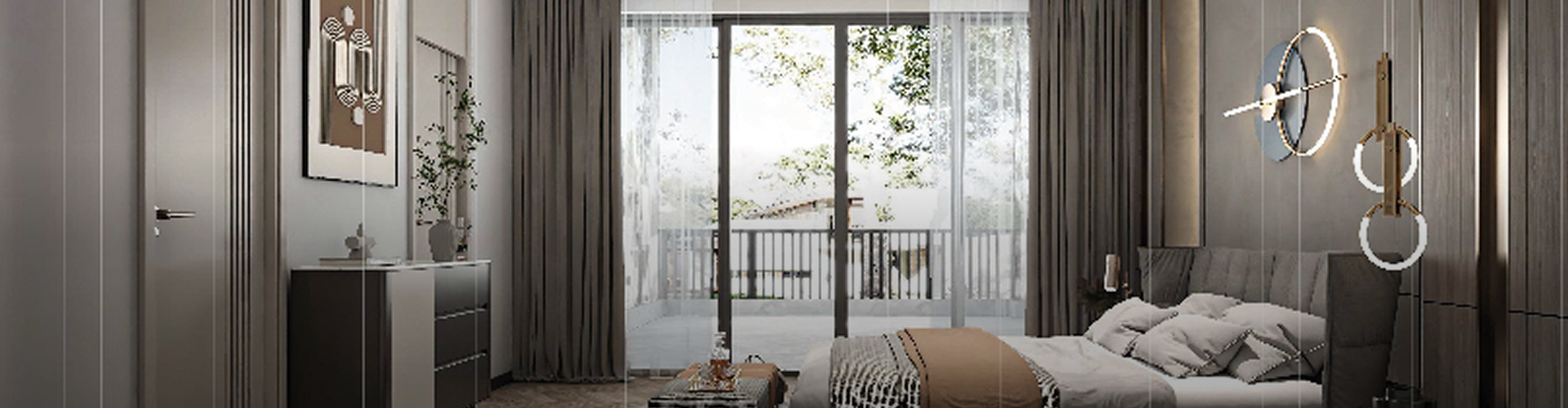

Smart Budgeting for Your Dream Home: How to Balance Design and Cost
Building your dream home is one of the most important milestones in life. It gives you the chance to create your own space in a way you like it to be. Nevertheless, with the design dreams and economic realities, costs can spiral out of control. Smart budgeting fills that gap and will assist you in having a beautiful, functional home that matches your lifestyle and does not push your budget.
1. Start with a Realistic Budget
Establish your budget prior to drawing up plans or selecting finishes. It is not only the construction costs, but also the permits, landscaping, furnishings, and other hidden expenses. It is also a prudent plan to reserve between 10-15 per cent of your overall budget as an emergency fund in case of unexpected expenses.
Ask yourself:- What is my comfortable limit when it is time to reduce other financial objectives?
- Which aspects of the house are important: the space, the location, or the luxurious interiors?
- Am I taking into consideration the long-term maintenance and utility costs?
This transparency would ensure that you are designing for the present and also in a way that guarantees a sustainable way of life in the future.
2. Size Matters
One of the most significant influences on cost is the square footage of your house. The bigger space you construct, the more you will pay for in terms of labor and time. However, a small house can be spacious and comfortable, with smart design.
The following is a plan of how to make every square foot count:
- Open Layouts: The living, dining, and kitchen areas are open, allowing for a free flow that makes the space appear larger than it is.
- Fewer but Better Rooms: Have fewer rooms but make the rooms you have larger, like the formal dining room or oversized foyer, which you barely ever use.
- Build Up, Not Out: A two-story construction will provide the same living space with less foundation area, which saves on land and building materials.
Keep in mind: size does not necessarily matter. The well-organized small areas can be much more comfortable and less demanding to maintain.
3. Simplify Design for Big Savings
Unique architecture does not necessarily imply generous decorations. Design options that can be considered in order to lower costs:
- Simple Layouts: The number of corners, angles, and structural complexities is reduced to reduce the cost of framing and roofing.
- Ceiling Heights: Vaulted ceilings are impressive, but a conventional 8 or 9-foot ceilings will save on construction costs as well as on energy expenses.
- Ready-Made Solutions: Go with already manufactured cabinetry, doors, or windows rather than custom-made ones. Good contemporary prefabs can appear as polished at a tenth of the price.
Hire a designer who knows your vision and can convert it to a plan that is cost-effective.
4. Invest Where It Counts
A good home budget is not about reducing the cost in all areas; rather, it is about spending the available money wisely and saving where it is necessary to save.
Spend More On:- Structural Strength: Utilize the highest quality framing, roofing, and foundation materials. These are the factors that define the long-term functionality of your home.
- Energy Saving: Premium insulation, efficiency in the HVAC system, and double-pane windows could increase initial expenditures, but could save utility payments over many decades.
- Kitchens and Bathrooms: These are the most frequented and most value-adding rooms in a house. This is a good place to save money, which can be saved in the form of comfort and resale value.
- Finishes And Fixtures: A number of mid-range materials are a good replica of high-end appearances.
- Wastage of Square Feet: Small houses can be luxurious with proper designs.
- Temporary Luxuries: You can add such features as in-built sound systems, specialty lighting, when you can afford them.
Be more focused on the length of life and performance rather than on pure aesthetics.
5. Build with Efficiency and Future Savings in Mind
Efficient houses help you save money on bills. Even a small upgrade in this aspect has long-term benefits.
Key strategies include:- Insulation with Higher R-Values: Maintains interior temperatures and reduces heating and cooling expenses.
- Energy-Saving Appliances: ENERGY STAR should be the term to look for to be sure of the best performance.
- Smart Home Systems: Light, leak detectors, and thermostats can also be used optimally and eliminate waste.
- Solar Integration: Although an initial outlay may be incurred, solar electricity will be able to save utility charges in the long run.
Botero Homes makes homeowners consider efficiency as not a cost, but an investment that promotes comfort and the value of the property.
6. Choose the Right Team
The makeup of professionals working on your project will determine the success of your home. The right team ensures that design fantasy aligns with financial prudence.
When selecting experts:- Architects and Designers: Seek out cost-effective design. They will have the opportunity to suggest innovative designs that are high-end yet practical.
- Builders: Select a contractor that is not deceptive in pricing and knows where to get cheap and quality materials.
- Project Managers: These are professionals who manage costs, schedule, and communication in keeping your project on schedule.
The collaboration will reduce errors, prevent time wastage, and you will not spend excessively on the vision.
7. Plan Ahead and Stay Flexible
Home building is hardly ever straightforward, despite careful planning. Costs can change due to weather delays, shortages in supply, or design changes. Being flexible will enable you to navigate such times without undue stress.
Tips to stay balanced:- Evaluate budgets at the same time the project is ongoing.
- Accept amendments to writing to keep down the secret expenses.
- Decide on the design at an early stage to avoid the expensive last-minute changes.
Conclusion
Beauty and budget do not come easy, and this needs planning, patience, and wise decision-making. By having a clear picture of what is important, it is possible to have a home that fits your dreams without being an economic burden. Collaborating with skilled individuals like those at Botero Homes will ensure that every dollar goes towards a long-lasting, beautiful, and useful outcome. Smart design is not about spending more, but it is about smart building.