
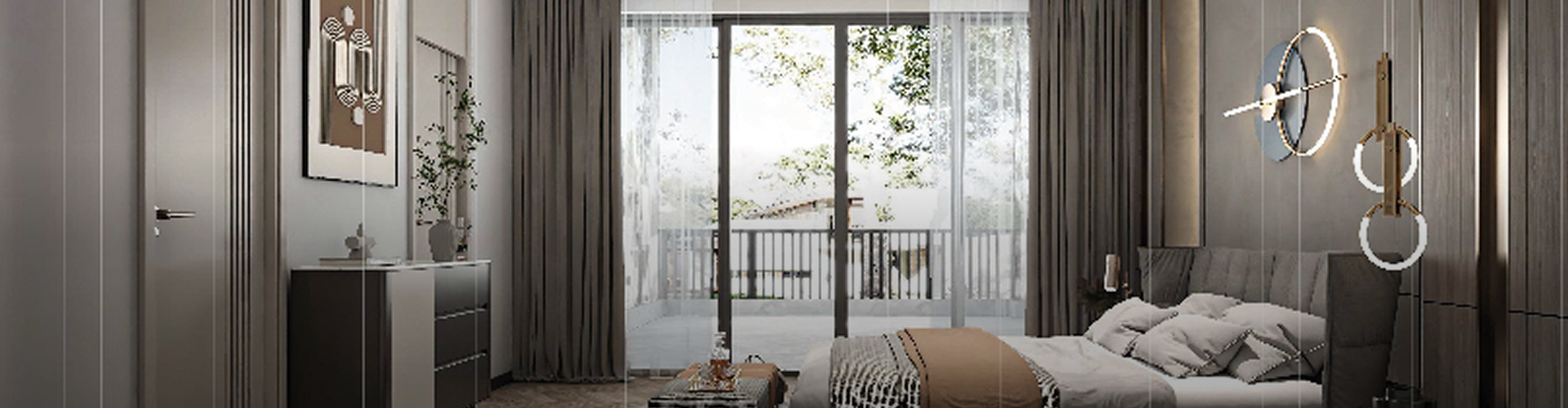

Green Building Practices Used by Modern Luxury Home Builders
Luxury homes have dramatically changed. A decade ago, “luxury” mostly meant square footage, imported finishes, oversized kitchens, and statement chandeliers. Today? Homeowners still want beauty and comfort, of course, but they also want smarter construction, healthier indoor spaces, lower energy costs, and homes designed with long-term sustainability in mind.
That shift is reshaping the custom home industry.
Modern luxury home builders are no longer treating green construction as a niche feature or optional upgrade. Sustainable design has become part of the foundation itself. And interestingly enough, many of the green building practices being used today do not compromise luxury at all.
What Green Building Really Means in Luxury Construction
A false assumption is held by many that green homes are ultra-modern places, sacrificing aesthetics for energy efficiency. Not anymore, though. The new breed of green luxury homes comes as the most recent innovation of luxury resort architecture in conjunction with environmentally friendly construction practices.
The main idea is to reduce waste, conserve energy, and improve the quality of life while ensuring comfort, ambiance, and personalization. In fact, “green” has become a defining feature of a high-quality personalized dwelling today.
Energy-Efficient Building Envelopes
One of the biggest green building practices used by modern luxury home builders starts with something most homeowners never actually see: the building envelope. The building envelope is the walls, insulation, roofing systems, windows, and air sealing between indoor and outdoor spaces. The luxury builders are now building with more sophisticated insulation systems, air-tight building techniques, and windows that minimize heat loss and help regulate interior temperatures throughout the year.
The result?
- Lower heating and cooling costs
- Improved indoor comfort
- Better humidity control
- Reduced strain on HVAC systems
And honestly, homeowners notice the difference almost immediately.
Smart HVAC and Climate Control Systems
Older homes tend to heat and cool unevenly. One room feels freezing while another stays warm. Modern luxury homes approach climate control differently.
Smart HVAC systems with zoning, variable-speed equipment, humidity control, and apps that allow control from afar are some of the green building strategies currently employed. Some have the capability of learning homeowner behavior patterns over time and automatically optimizing performance for efficiency.
That blend of automation and sustainability has become a major expectation in luxury construction.
Sustainable and Responsibly Sourced Materials
Materials are more important than ever. It is not just appearance and durability that are important to modern luxury home builders; it is also environmental impact.
This includes:
- Reclaimed wood
- Recycled steel
- Bamboo flooring
- Sustainably sourced timber
- Low-carbon concrete
- Recycled stone finishes
- Green insulation products
Apart from minimizing the effect on the environment, this choice creates unique design features for the interior, which seem more custom-made and durable.
What is interesting is that many homeowners are now attracted to the authenticity of reclaimed or natural materials. They are textured and warm.
Solar Integration and Renewable Energy Systems
The promise of solar energy is more than just a large solar panel on a roof that marred the curb appeal of a house. Home designs today take a whole new approach to incorporating renewable energy into their designs.
Low-profile solar panels, battery storage solutions, and energy-efficient building designs are all working in harmony to help builders create homes that utilize renewable energy. Among the more luxurious residences, some are even getting close to achieving nearly "net zero" energy status, meaning the residence produces nearly as much energy as it consumes.
For homeowners, the benefits extend beyond sustainability:
- Reduced long-term energy costs
- Increased property value
- Greater energy independence
- Improved resilience during outages
And in many cases, these systems are integrated so cleanly that they become almost invisible from a design standpoint.
Water Conservation Systems
Luxury landscaping, large kitchens, spa-style bathrooms, and high-end homes naturally consume water. Modern green building practices aim to reduce waste without reducing convenience.
Builders now incorporate:
- Low-flow plumbing fixtures
- Smart irrigation systems
- Rainwater harvesting systems
- Drought-resistant landscaping
- Greywater recycling solutions
Water efficiency is one of the fastest-growing areas in sustainable homebuilding. These systems can also help homeowners save on utility bills and promote sustainability over time.
Healthier Indoor Air Quality
This is a place where many people are not so thorough. Even a gorgeous home can become a space with poor air quality resulting from chemicals used in materials and trapped pollutants.
Experienced home builders have begun to focus on wellness building and utilize:
- Low VOC paints and finishes
- Advanced ventilation systems
- Air purification systems
- Moisture management strategies
- Natural lighting optimization
These features make living conditions healthier and the home more comfortable. With families spending more time at home for work, relaxation, and entertainment, wellness-driven design has become a major aspect of luxury living.
Passive Design Strategies
Some of the smartest green building approaches are very simple. Passive design emphasizes how the home is oriented, designed, and structured to work more efficiently by using elements of nature rather than relying completely on mechanical systems.
This may include:
- Natural light in strategic locations
- Cross ventilation for airflow
- Roof overhangs for shade control
- Thermal mass materials
- Natural heating and cooling methods
These methods help lower energy consumption and enhance comfort in daily living. Passive design begins at the architectural level, so it can result in homes that are more connected to their surroundings.
Green Certifications and Future-Ready Homes
There are many luxury builders today seeking certification in areas such as:
- LEED
- Passive House
- ENERGY STAR
- WELL Certification
These standards provide energy performance, sustainability, and indoor wellness credentials. However, beyond certification, the home buyer is more and more desiring homes built for lifelong adaptability.
The integration of energy-efficient systems, EV charging infrastructure, smart home features, resilient materials, and sustainable infrastructure is emerging as a key element of a future-ready luxury home.
Conclusion
The meaning of luxury has changed. Homeowners today want luxurious, personalized, energy-efficient, health-oriented, and durable houses. Sustainability is no longer considered a compromise; rather, it is considered good planning. Today’s luxury home construction industry is moving towards sophistication and accountability.
If you are one of those homeowners who are looking for personalized houses with traditional architectural styles along with advanced construction techniques, contact Botero Homes now!